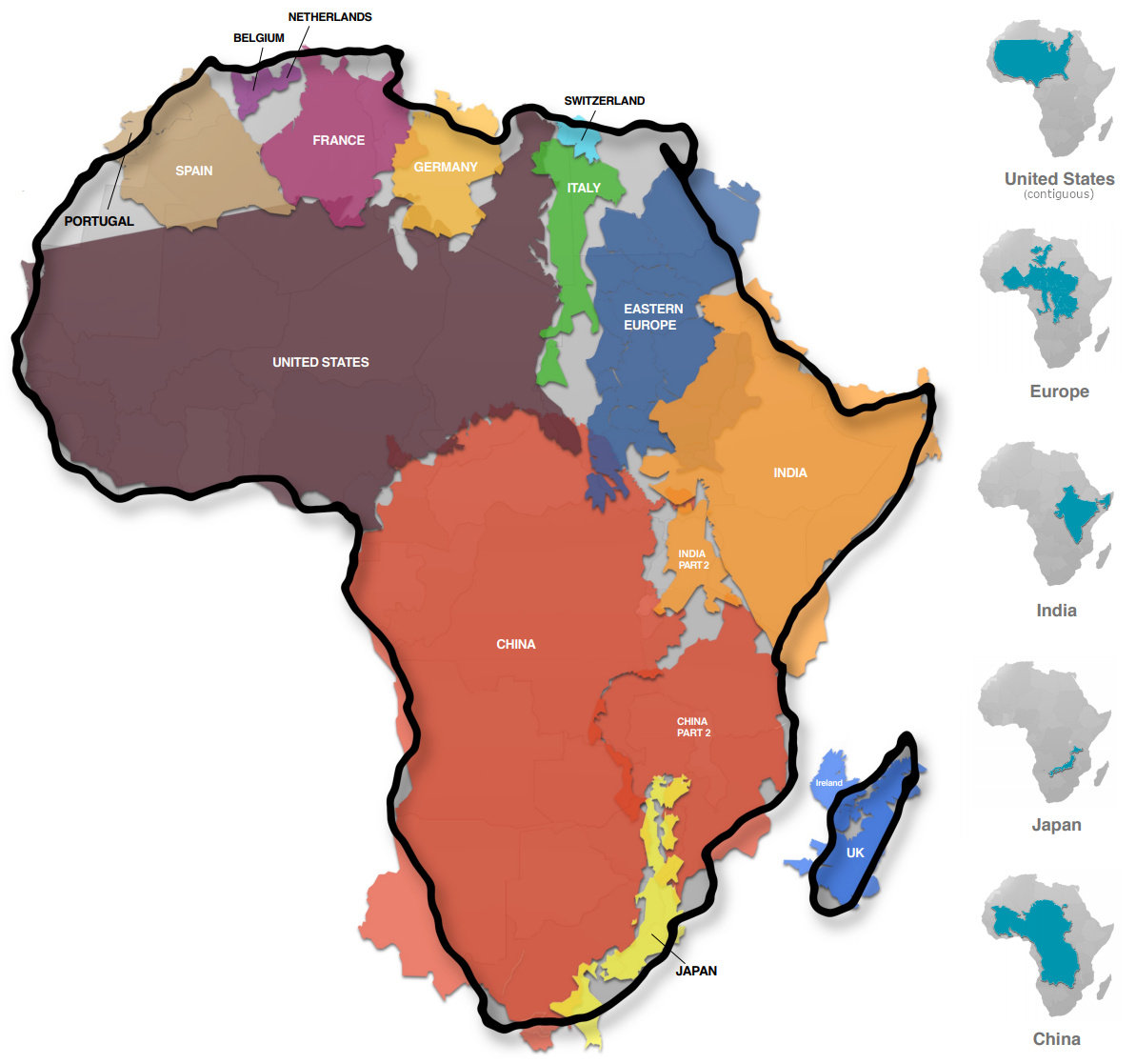
Wainaina (2019) narrates the most accurate descriptions given for Africa in art, information media or academic papers. He wonderfully demonstrates the extent of the wrongful (and quite insulting) representations shared of the country. It is almost embarrassing to have to admit how accurate his words are. I find it especially worrying to consider the quantity of people that have no other knowledge on the continent but that shared by oblivious sources.
One of the first case studies I visited on this subject, was based on the video 'Africa for Norway' by the Norwegian Students' and Academics' Assistance Fund (SAIH) as part of the campaign RADI-AID . This was in fact a satirical movement, merely deigned to raise awareness of the extent to which the 'white saviour' complex has taken over our perceptions. During the length of the campaign, a series of additional satirical videos were filmed, all challenging the depiction of our ‘charitable’ causes. Awards were annually granted to the best and worst fundraising video advertisements released. Remarkably, this was not only done on an experimental basis, the project also took note of studies that showed people are more generous when they see a charity’s caricature rather than a human being (Hallett, 2015). As opposed to what we have been made believe, Africa is also capable of assisting other regions in supplying provisions for basic human needs.

Having a closer look, we may find an array of papers written by African scholars, discoveries accomplished by African research institutions or studies directed by African organisations. However, we choose to focus on the topics which picture them as sufferers (Evans, 2013). As I started to research the theme for this blog, the first suggestion which appeared on my internet browser was "food in Africa -lack". An array of articles focussing on the food security of the continent emerged. Allow me to clarify that this is even slightly similar to the results under the same search changing the continent to Europe. Something must have worked the algorithms to show us what we like to see.

Amartya Sen (1981) already demonstrated how both human and physical factors interact to produce hunger. The main driver of hunger is not a deficit in food production either (Staatz et al., 1990). As it turns out, food, just like water, hide the roots of their problems in distribution and not in quantity. Water and food are so tightly linked, both are needed to study issues such as famines, diseases or even political disputes. Problems related to access, availability and affordability may uncover the dilemmas (Clover, 2003). Nevertheless, it is important to remember the individuality of each case study and to stay away from stereotypes blurring our perspectives as we enter the African environment.
I really enjoyed reading your first blog post - you gave a well-rounded introduction and set the scene well of what to expect from you subsequent discussions. Additionally, I liked how you stressed that 'people in Africa' are NOT water scarce putting emphasis on this for the reader.
ReplyDeleteThank you for taking the time to read this post. I believe this is an essential point to clarify when discussing the relationships between water and food in the context of Africa, which is why I sought to address it in the very first post.
DeleteThis is a good introduction to Africa as a continent and how it is represented, the use of anecdote is a good approach and linking these various persepcitves of the African continent to the challenges of water and food is well presented. Your referencing is good but you have not embeded the links as requested.
ReplyDeleteI really enjoyed this read and found your introduction to provide quite a deep insight and think the video 'Africa in Norway' really helped to support your argument that many western writings incorporate the African picture as one with 'the 'white saviour' complex has taken over our perceptions' and aligns with the reading from Wainaina, 'How to write about Africa'.
ReplyDeleteThank you for your positive review, Claudia! I really found their initiatives and the videos they created useful to clearly exemplify how the opposite relationship takes place in our society. That's why I thought about it as I was reading Wainana (2019), which was such a powerful piece and hopefully eye-opening for some.
Delete